
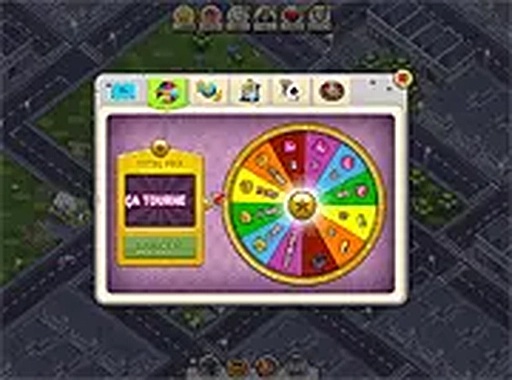
Urban Command Strategy
Opens in a play window — no download required.
Reviews
Urban Command Strategy stands out for its emphasis on reputation and long-term planning over quick action. The resource system requires balancing funds, materials, and personnel, which keeps decision-making engaging. Alliances add a social layer that makes the online environment feel alive. The game is free and accessible, making it a solid choice for anyone who enjoys strategy titles that reward patience and smart choices.
Description
Core Planning Mechanics
Urban Command Strategy places you at the center of a dynamic city where every decision affects your standing. The game focuses on resource allocation and long-term planning rather than fast reactions. You start with limited assets and must decide where to invest time and materials for the best returns. This creates a thoughtful pace where rushing often leads to setbacks. The interface is designed for desktop use, with clear menus that let you review your options before committing to a course of action. Keyboard shortcuts help experienced players move faster, but the core experience rewards careful consideration over speed.
Building Your Reputation
Reputation serves as the main measure of progress in Urban Command Strategy. You earn respect by completing objectives and making choices that align with your chosen approach. The game does not force a single path to success. Some players may focus on financial growth, while others prioritize forming strong connections with key figures in the city. Each decision carries weight because other players in the online environment can see your reputation. This social layer adds depth, as your choices influence how others perceive and interact with you. Maintaining a consistent strategy helps build a trustworthy name over time.
Resource Management Approach
Resources in Urban Command Strategy include funds, materials, and personnel. Each type plays a distinct role in expansion. Funds allow you to acquire new assets, materials enable construction or upgrades, and personnel help you complete tasks more efficiently. The challenge lies in balancing these three elements. Overspending on one area can leave you vulnerable in others. The game encourages players to think several steps ahead, anticipating future needs rather than reacting to immediate demands. This resource system rewards players who plan their growth carefully and avoid short-term thinking.
Alliances and Competition
Urban Command Strategy includes an online component where players can form alliances. Working with others provides access to shared resources and collective opportunities that are not available to solo players. However, alliances also require trust and coordination. Choosing the right partners can accelerate your progress, while poor alliances may slow you down. The competitive element comes from rival organizations that also seek influence in the same city. You must decide when to cooperate and when to compete, adding a strategic layer that goes beyond simple resource management.
Progression and Rewards
As you advance in Urban Command Strategy, you unlock new missions and larger opportunities. Early tasks focus on establishing a foundation, such as securing a steady income and recruiting initial allies. Later challenges require more complex planning, involving multiple resources and longer time frames. The reward system provides consistent feedback, with each completed mission offering tangible benefits that fuel further growth. This progression structure keeps the experience engaging for players who enjoy seeing their organization expand over weeks or months of play. The game is free to play, making it accessible to anyone interested in strategy titles.






Comments
Sign in to leave a note
You must be logged in before posting a review or rating.
No account? Create one
No comments yet. Be the first to comment!