
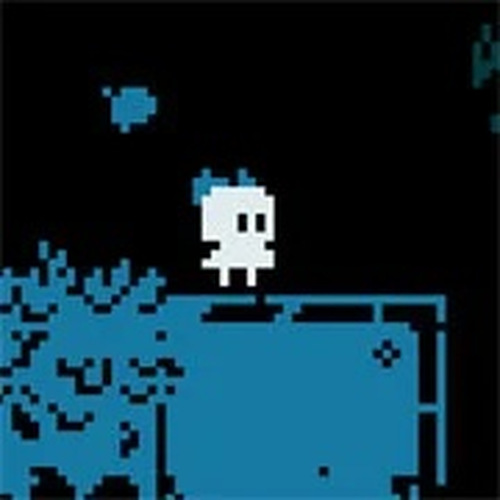
Spatial Shift Puzzle Runner
Opens in a play window — no download required.
Reviews
Spatial Shift Puzzle Runner stands out for its innovative use of gravity as a core mechanic. The lack of text instructions forces genuine engagement with the environment, making each solved puzzle feel earned. The pixel art style and subtle sound design build a compelling atmosphere that complements the thoughtful gameplay. While the experience is relatively short, the quality of the puzzle design and the satisfaction of mastering shifting perspectives make it a memorable title for fans of cerebral platformers.
Description
Core Gameplay Loop
Each room presents a new gravitational orientation, forcing players to reconsider basic movement. What was once the floor may become a wall or ceiling. The controls remain simple, but the changing perspective requires constant mental adjustment. Progress comes from interacting with objects like blocks and switches, all while adapting to the current gravity direction.
Environmental Storytelling
The game communicates entirely through its world design. No text boxes or menus interrupt the experience. Instead, the layout of each area, the placement of objects, and the subtle audio cues guide the player forward. This approach rewards careful observation and creates a sense of discovery as players piece together the narrative from their surroundings.
Visual and Audio Atmosphere
Pixel art visuals create a dreamlike, slightly eerie aesthetic. Ghostly figures appear in the background, adding to the mysterious tone without providing direct instructions. The sound design uses minimal music and ambient effects to reinforce the serene yet unsettling mood, making exploration feel both calming and tense.
Puzzle Design Philosophy
Puzzles are built around spatial reasoning and adaptability. Some challenges may have multiple valid solutions, encouraging creative thinking. The lack of explicit feedback means players must experiment with different approaches, testing how gravity affects object interactions and movement paths. This design choice fosters a trial-and-error learning process that feels organic.
Progression and Pacing
The game includes around thirty distinct puzzles spread across different areas. As players advance, new mechanics are introduced through the environment rather than tutorials. The pacing allows for quiet moments of reflection between more complex challenges, maintaining a steady rhythm that suits the contemplative atmosphere.








Comments
Sign in to leave a note
You must be logged in before posting a review or rating.
No account? Create one
No comments yet. Be the first to comment!