 NexusPlay Arcade
NexusPlay Arcade
NexusPlay Arcade
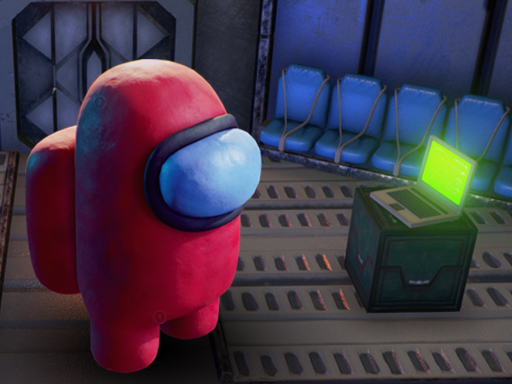
Who Is Imposter delivers a polished social deduction experience that is both accessible and engaging. The colorful visuals and simple controls lower the barrier for new players, while the ever-changing roles keep each round fresh. It encourages communication and critical thinking without any inappropriate content, making it a reliable choice for family entertainment. The game has strong replayability, as no two rounds feel the same, and the learning curve is gentle enough for younger players to enjoy alongside adults.
Who Is Imposter is an online deduction game that brings players together in a lighthearted mystery. The core objective is to identify the secret imposter hiding among a group of friendly characters. Set in a cheerful world, the game encourages teamwork and observation as everyone tries to figure out who is not telling the truth. With no violence or scary themes, it is designed to be safe and enjoyable for players of all ages. Each round offers a new mystery to solve, keeping the experience fresh and exciting.
To play, join a group of players and observe their actions carefully. Each round, one player is secretly assigned as the imposter. Everyone else must work together to complete simple tasks while the imposter tries to blend in and cause confusion. Use the chat or voting system to discuss suspicions and vote out the player you think is the imposter. The game ends when all imposters are found or when they successfully complete their secret mission. Controls are easy to learn, with click-and-point mechanics that suit both kids and adults.
Fun social deduction gameplay that promotes teamwork. Colorful and friendly graphics create a welcoming atmosphere. Simple click-and-point controls make it easy for anyone to play. Safe family-friendly content with no violence or scary elements. Each round is unique, offering high replayability. The online multiplayer format allows you to play with friends or meet new people from around the world.
Pay close attention to player behavior and task completion patterns. Communicate clearly with your teammates, sharing observations and suspicions. If you are the imposter, blend in by acting like you are completing tasks and subtly redirecting blame. Practice regularly to improve your deduction skills and learn common strategies used by other players.
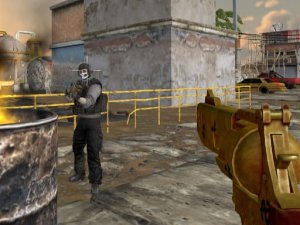
Clean arena design with useful upgrades. Good for short, strategic play sessions.

Simple controls and fun evolution. Great for quick online matches with friends or solo.
Simple controls and engaging building mechanics. Great for quick multiplayer sessions with friends.

Satisfying idle loop with clear progression. Great for quick, relaxing play sessions.

Clean space strategy with easy controls. Capturing planets and growing your fleet feels rewarding.
Clean interface and smooth gameplay. Great for quick sessions with friends.
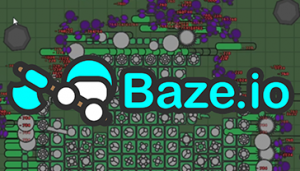
Engaging tower defense with resource management and multiplayer competition. Clean and family-friendly.

Clean design and smooth gameplay. Great for short breaks and family game nights.

Fun block world blaster game with colorful maps and quick matches. Great for all ages.

Bright, simple, and addictive. Great for quick fun with family or solo.

Clean and responsive controls. Colorful explosions make each combo satisfying. Great for quick, family-friendly fun.

Clean design and smooth gameplay. Great for short breaks with friends or family.